JOYNT | Co-founder & Creative Director, Product Designer
Product Strategy · UX/UI Design · Brand · Creative Direction · Growth · AI-Assisted Development
Buying property together isn't new. Making it safe, manageable, and accessible? That's a much bigger challenge.
I co-founded Joynt to help people buy and own property together with confidence. What started as an ambitious idea became a platform connecting the legal, financial, and everyday realities of shared ownership.
My role spanned the entire experience, from customer research and product strategy to UX, brand identity, creative direction, marketing, and hands-on development.
We weren't just building an app. We were helping people understand a different way to own.
From idea to launch in less than a year.
Less than 1 year
From concept to beta
4–6 per day
Registrations, up from roughly 1–2 per week
$0.09
Cost per registration, down from $2.00
Registration and acquisition results reflect a four-month optimization period.
First, figure out what actually needs to exist.
The original vision was broad. Help people discover properties, understand what they could afford together, and manage ownership after the purchase.
But building everything at once wasn't realistic.
We explored an MLS-powered property search experience that would show buyers what a home could cost when shared. When the data provider we planned to use became unavailable, the economics of sourcing MLS data independently didn't make sense for an early-stage company.
So we made a decision: focus on the problems that made shared ownership complicated in the first place.
Agreements. Money. Scheduling. Decisions. Exits.
That decision gave Joynt a clearer purpose and a much more focused product.
Make the complicated feel simple.
Co-owning a property involves legal structures, financial obligations, shared decisions, and relationships. None of those things exist in isolation.
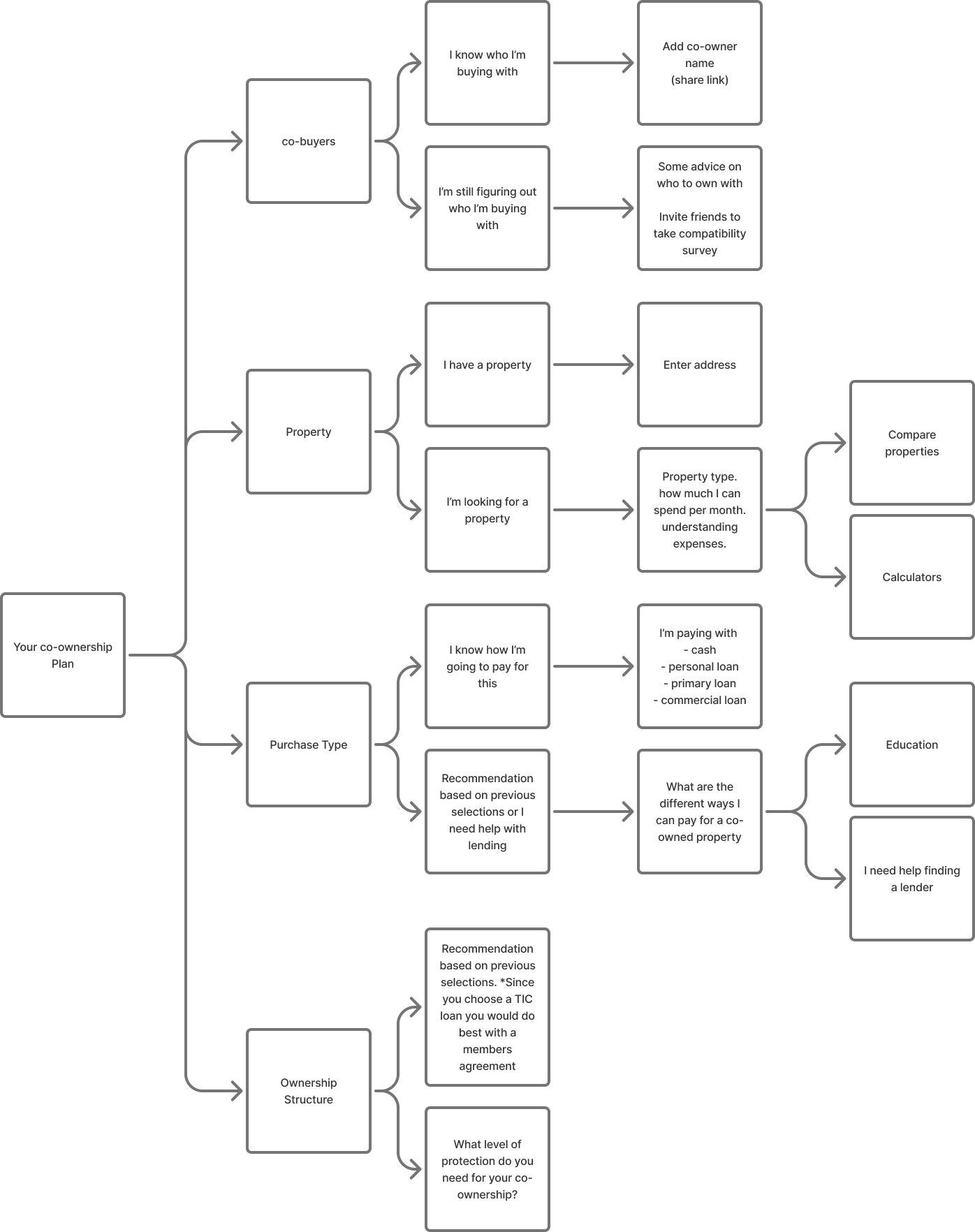
I helped translate that complexity into a connected product experience.
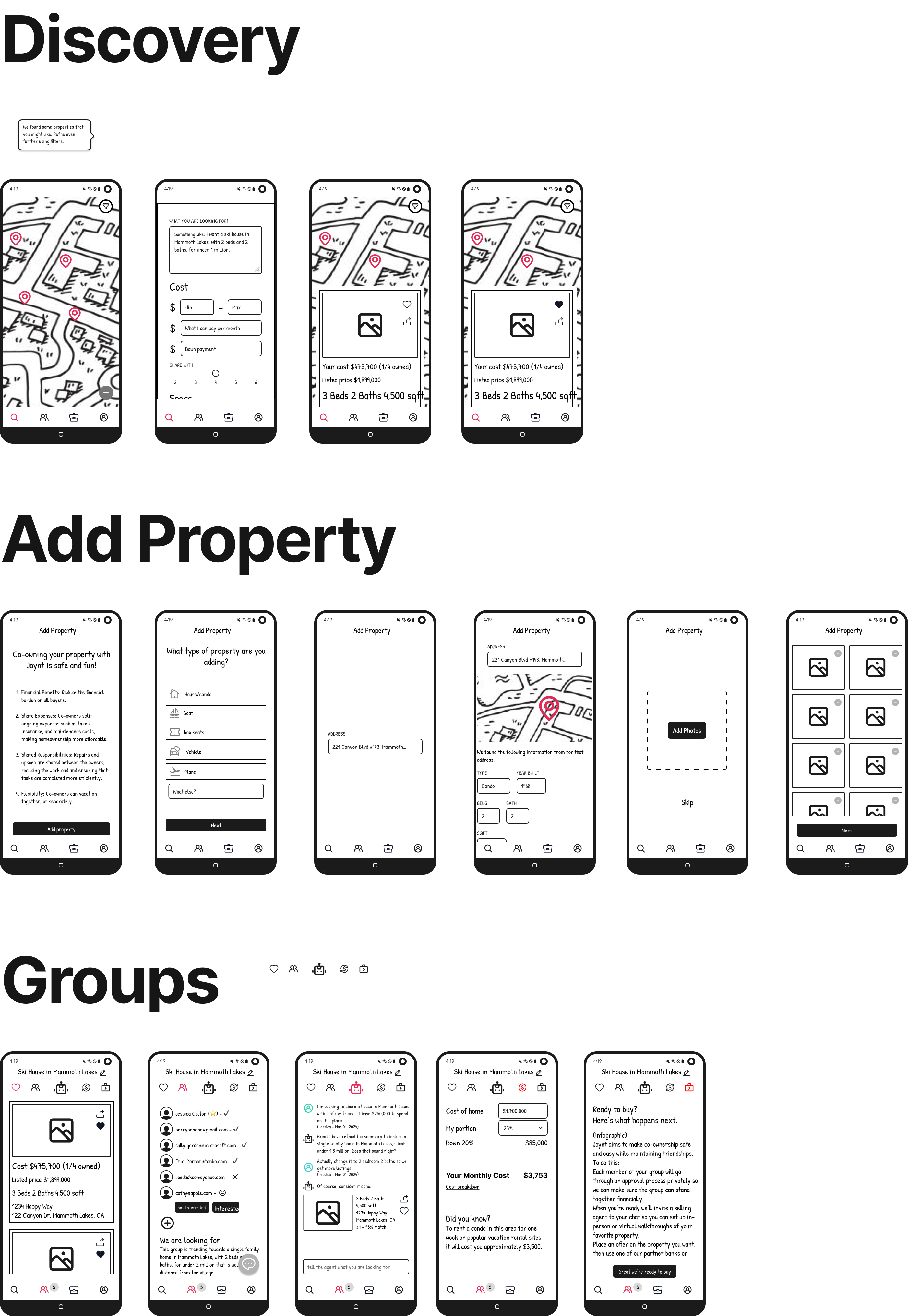
I led work across customer research, journey mapping, information architecture, wireframes, prototypes, interaction design, and visual systems. Working closely with our founding team, I turned business requirements and ownership rules into flows people could understand and use.
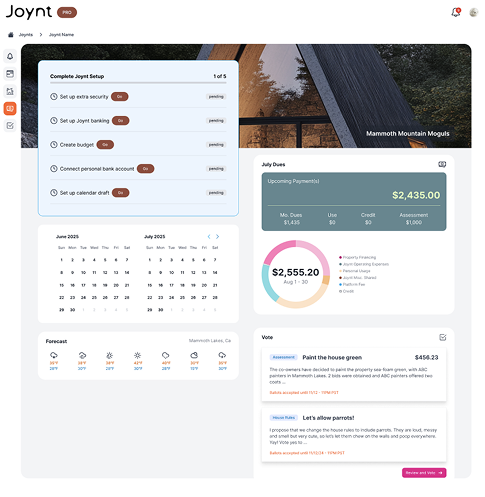
The result was a platform that brought together shared finances, calendars, voting, documents, house rules, and ownership agreements.
The real design challenge wasn't adding features. It was making a complicated arrangement feel manageable.
Build a brand for an idea people haven't considered.
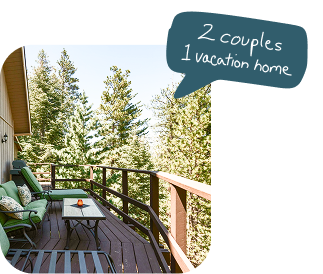
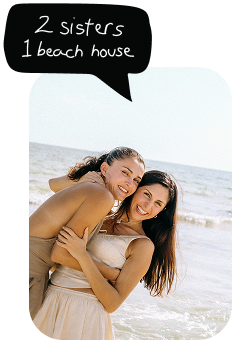
Here's the interesting thing about co-ownership: plenty of people could benefit from it, but many aren't actively looking for it.
That makes traditional product marketing tricky.
We needed to explain an unfamiliar approach without making it sound complicated, risky, or out of reach.
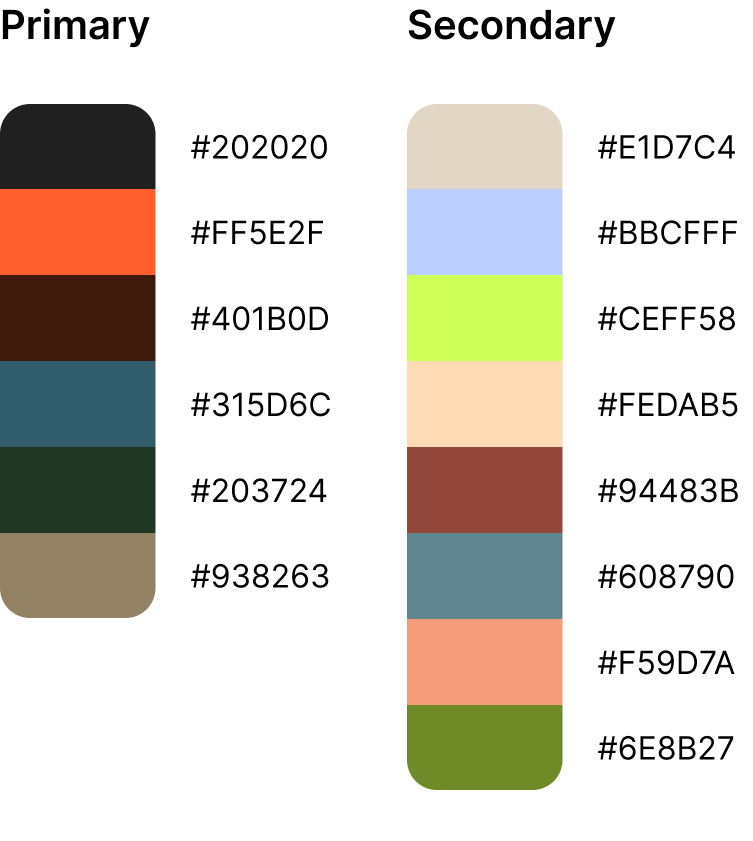
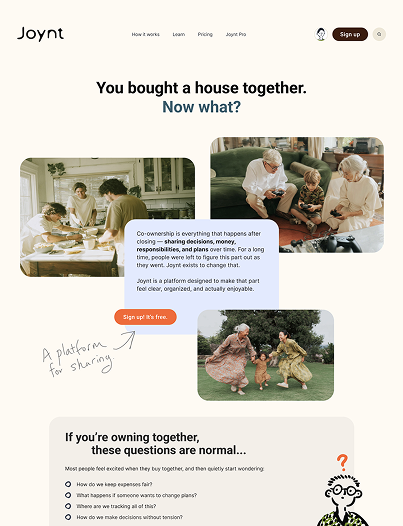
I created Joynt's brand identity, visual language, design system, website, and creative direction. I developed messaging and campaigns that connected the product to something people already understood: the growing difficulty of affording a home.
Instead of leading with software features, we began leading with the possibility of ownership.
The brand needed to make people curious. The product needed to earn their trust.
Let the customer change the plan.
Our initial assumption was that existing co-owners would be the most natural customers.
They had the problem. We had a solution.
But finding them was harder than expected. People don't necessarily describe themselves as co-owners, and they aren't always searching for tools to manage shared property.
Through research, customer conversations, and marketing experiments, we began identifying another opportunity: people who wanted to own property but couldn't see a realistic path to getting there alone.
That insight influenced both our messaging and our product direction.
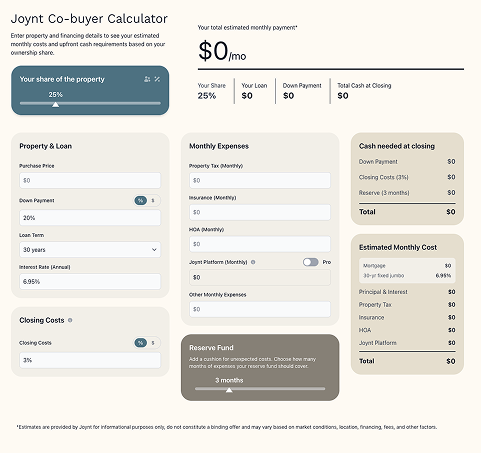
We developed affordability-focused content, calculators, landing pages, and campaigns to reach people earlier in their decision-making process.
The work moved constantly between customer insight, product design, and growth strategy. And that was the point.
Design it. Build it. Put it to work.
On a small founding team, creative direction wasn't something that happened at a distance.
I designed and built the marketing website, developed the product's visual system, created campaign assets, produced video and illustration content, and worked directly on front-end experiences.
I used Figma, Adobe tools, HubSpot, and AI-assisted creative and development workflows to move quickly from concept to something we could test.
Research informed the experience. Design informed the build. Marketing data informed the next round of decisions.
And when something wasn't working, we changed it.
The work had to perform.
As we refined our audiences, messaging, landing pages, and acquisition campaigns, registrations increased from approximately one or two per week to four to six per day over a four-month period.
Cost per registration dropped from $2.00 to $0.09.
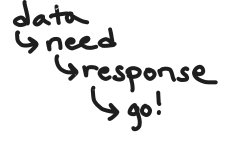
Those results came from connecting the dots between customer needs, creative, product experience, and performance data.
It wasn't one clever campaign or one beautiful screen. It was the combined effect of making better decisions across the entire customer journey.
The best work happens when everything connects.
Joynt gave me the opportunity to work across nearly every part of building a company: finding the opportunity, shaping the product, creating the brand, building the experience, and bringing it to market.
It reinforced something I've believed throughout my career.
Great products don't happen when strategy, design, technology, and marketing operate in separate rooms.
They happen when someone connects them.